

Joint collective test with CEZ Formula F4 at Slavakiaring 04.06.2026
• Publikováno 04.06.2026 • zhlédnuto 418x
FORMULA 4 – SLOVAKIA RING 2026
First F4 CEZ Collective Test: 336 Kilometres, Extreme Heat and an Important Step Forward for Matyas Vitver
4 June 2026 | Slovakia Ring | F4 CEZ Collective Test
“My father told me I would be sharing the track with the big boys this time. He was right.”
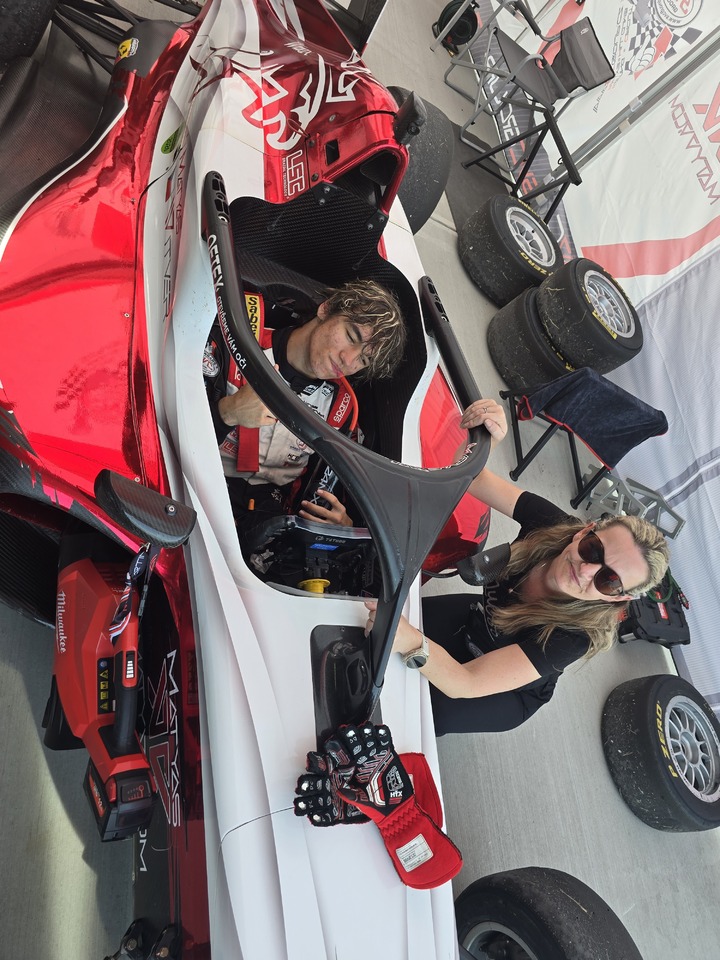
Fourteen-year-old Matyas Vladimír Vitver completed his first collective test alongside drivers from the F4 CEZ Championship at the Slovakia Ring.
For the young Czech driver and his family-run SVC GROUP RACING team, it was an opportunity to gain experience in a more competitive Formula 4 testing environment and measure his progress alongside drivers already competing regularly in the category.
However, the one-day programme ultimately offered far more than a comparison of lap times.
Extreme temperatures, challenging tyre conditions and the need to adapt the original testing plan provided valuable lessons for both Matyas and the entire team.
A First Collective Test with F4 CEZ Drivers
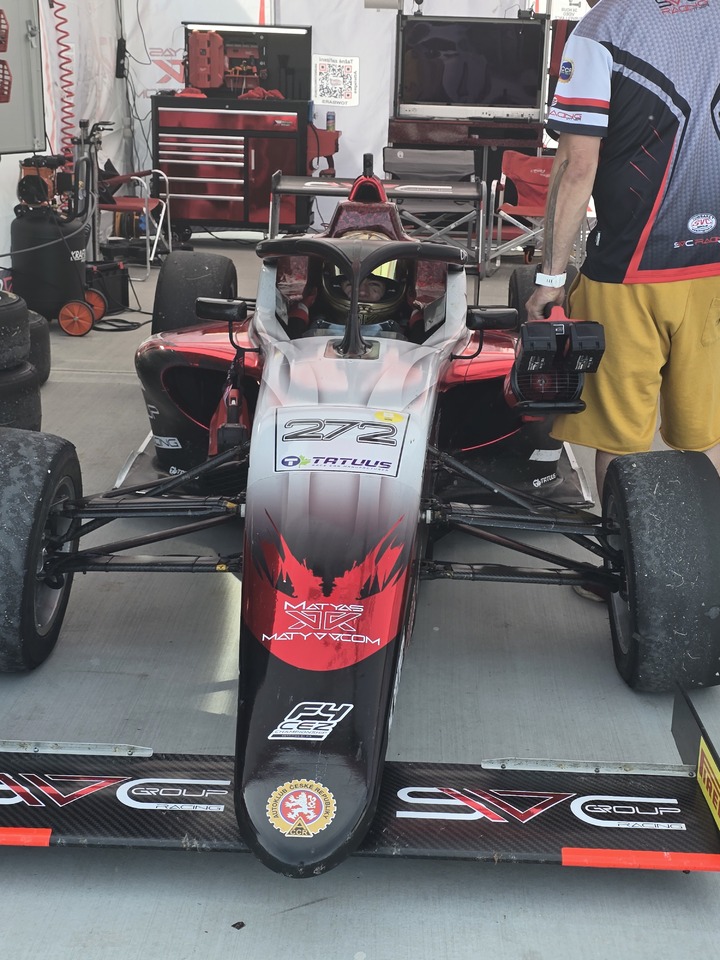
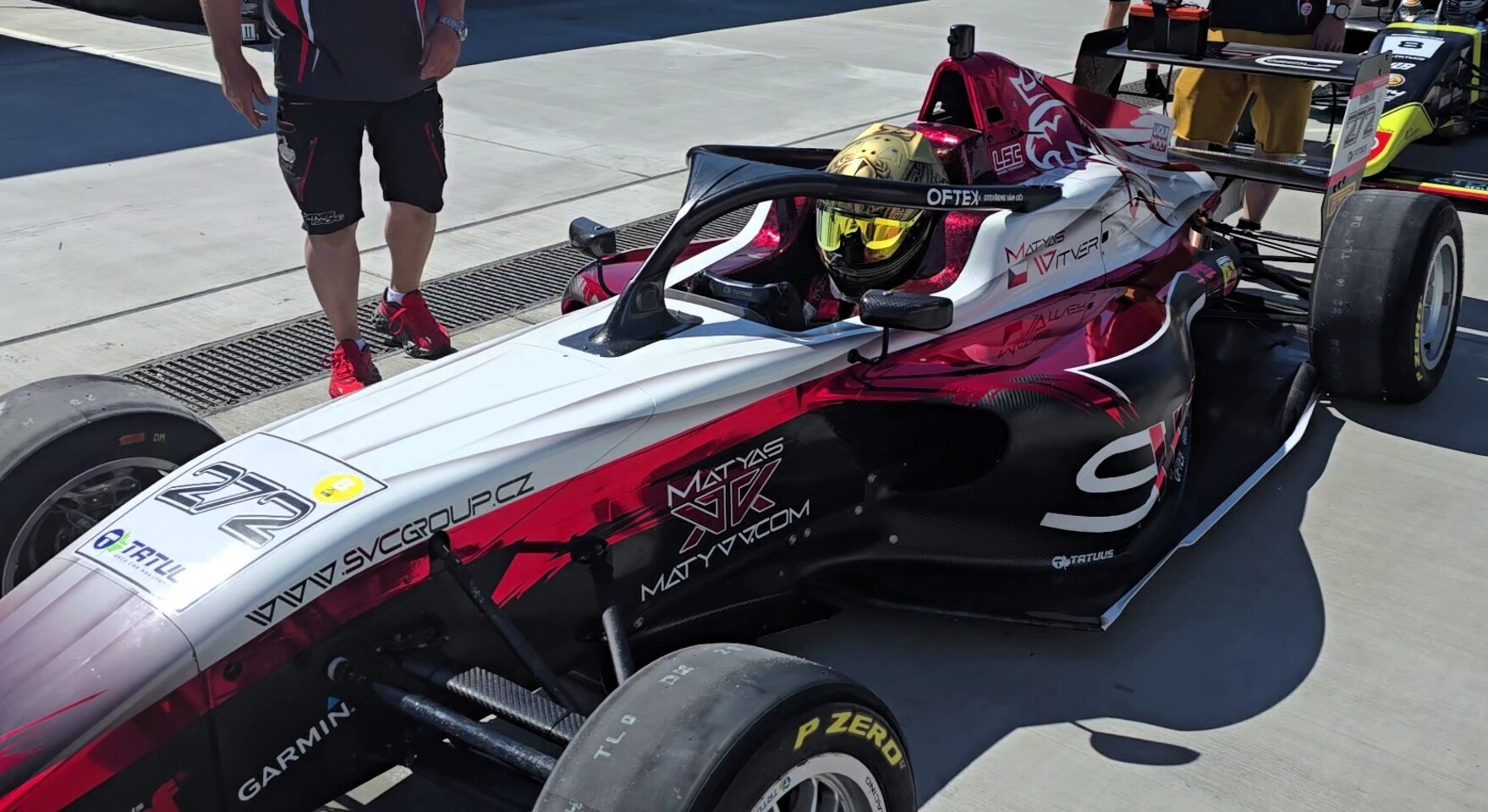
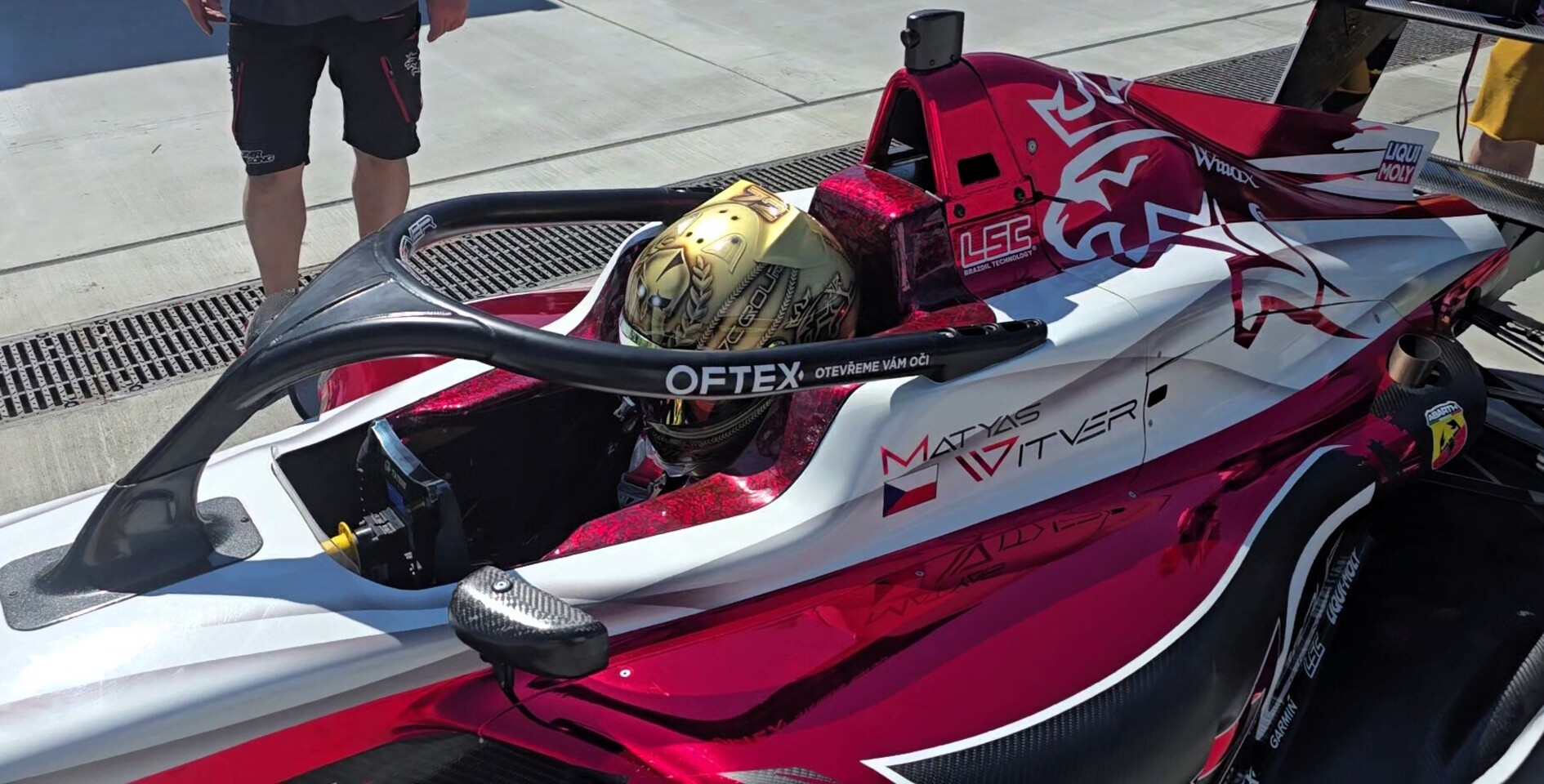
The 2026 season was designed as an intensive development year for Matyas following his transition from international karting to the Tatuus F4 T-421 Gen 2 single-seater.
At 14 years of age, he was not yet eligible to compete in F4 CEZ Championship races under the applicable minimum-age requirements.
Participating in a collective test nevertheless allowed him to experience an environment involving professionally prepared Formula 4 cars and more experienced competitors.
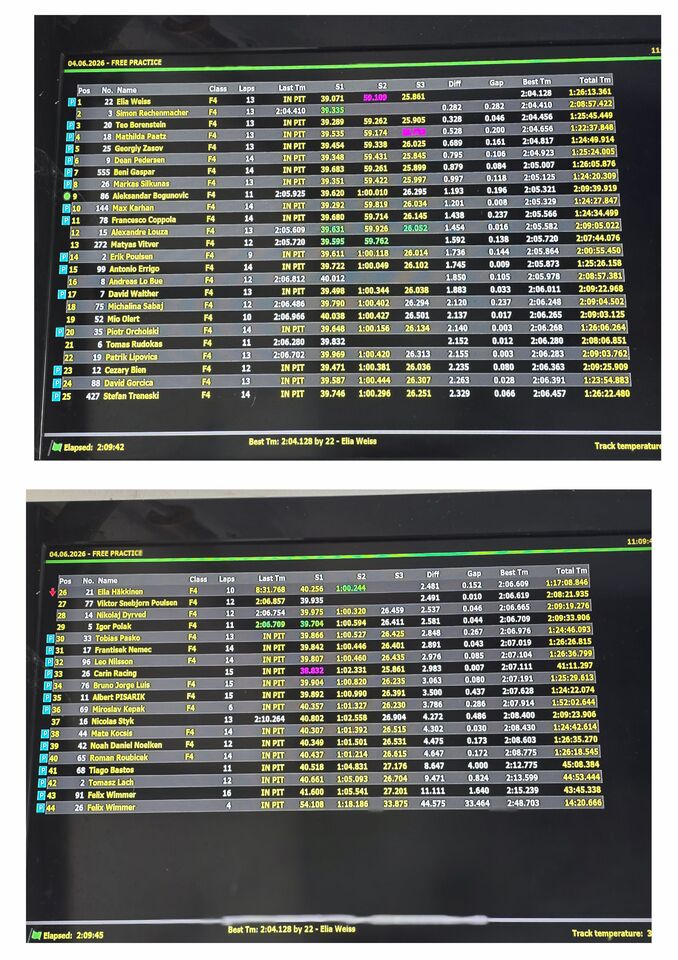
According to our team records, approximately forty drivers participated in the testing programme.
For Matyas, this meant adapting to an unfamiliar environment, increased traffic on the circuit and a testing schedule different from the private sessions he had previously experienced.
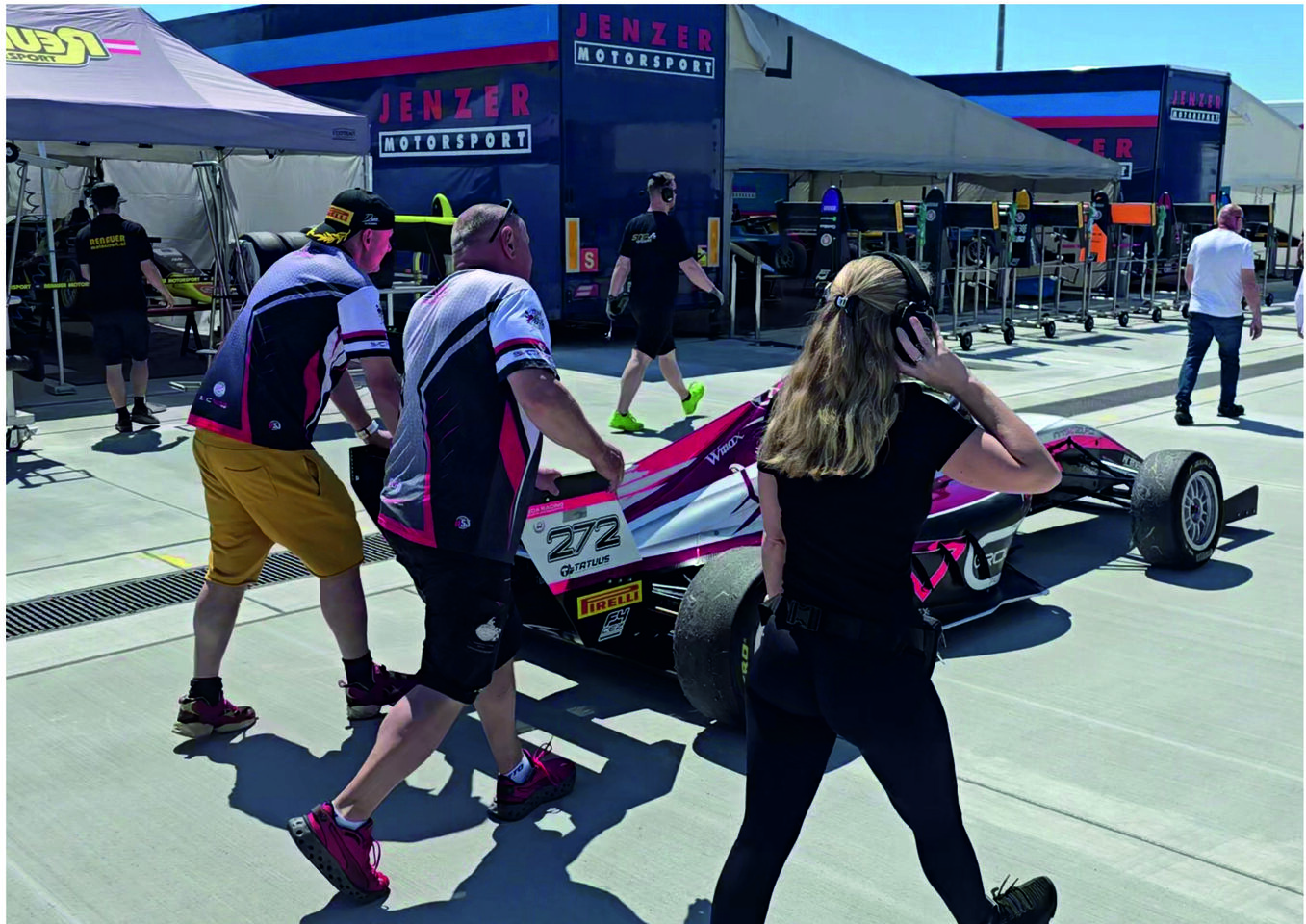
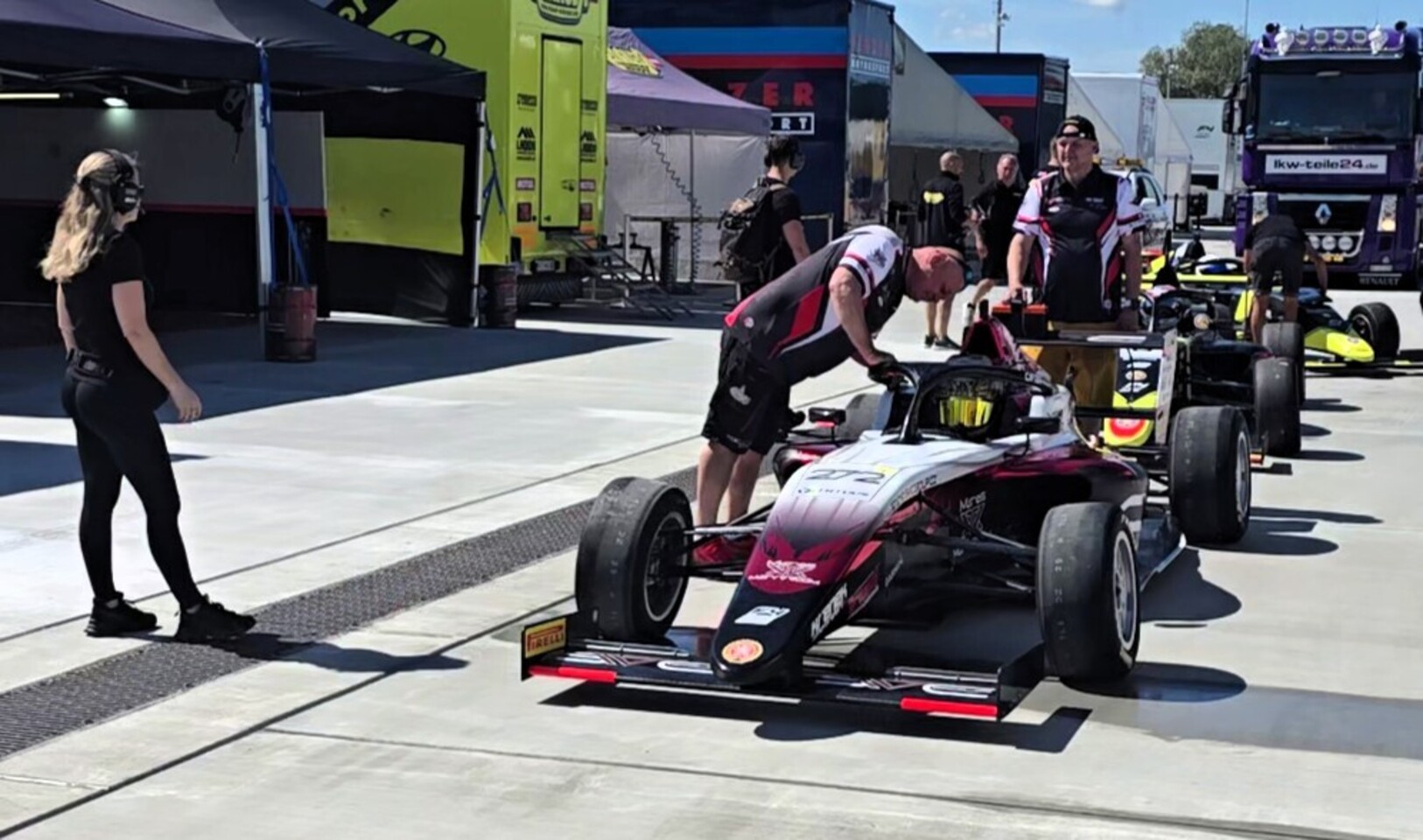
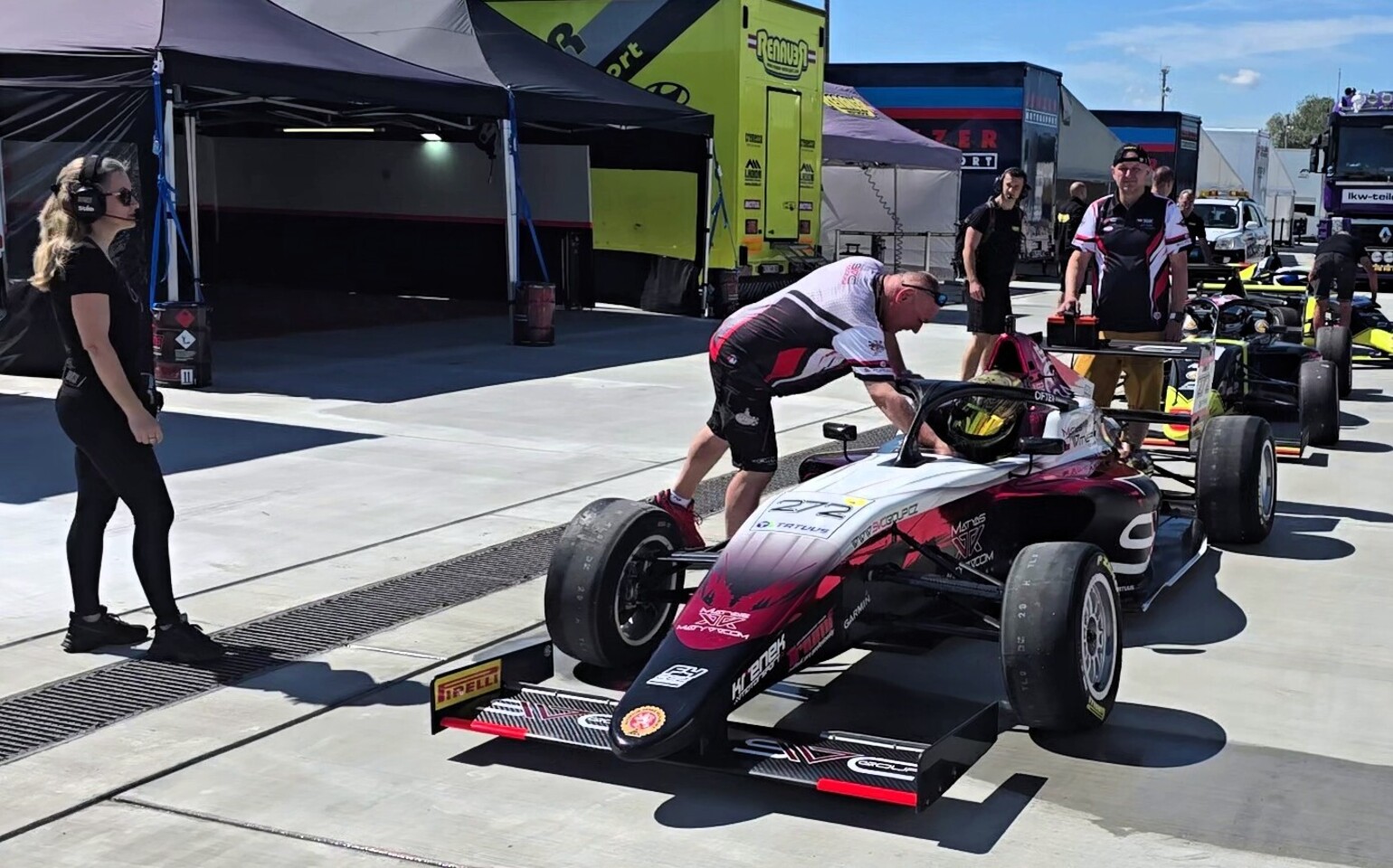
Beyond driving performance, the day also required him to become familiar with pit-lane procedures, the timing of track exits and the movement of other fast single-seaters completing different test programmes.
Thirteenth After the Opening Session
Understandably, the first session brought a certain amount of nervousness.
Matyas was sharing the circuit with a large group of Formula 4 drivers for the first time and had to adapt quickly to the new testing environment.
Nevertheless, according to our team's timing records, he finished the opening session 13th among approximately forty participants.
For our family-run team, it was an encouraging start.
Naturally, the result could not be treated as a definitive comparison of all the drivers' performance.
During collective testing, teams run different fuel loads, tyre conditions, car setups and testing programmes.
Even so, the opening session demonstrated that Matyas could maintain his concentration in a new environment and gradually build his pace.
According to data recorded by the team, he also reached a speed of approximately 235 km/h at the Slovakia Ring.
Extreme Heat Forces a Change of Plan
As the day progressed, high temperatures became the main challenge.
The tyres were subjected to considerable thermal stress, with operating conditions significantly different from those encountered during previous tests.
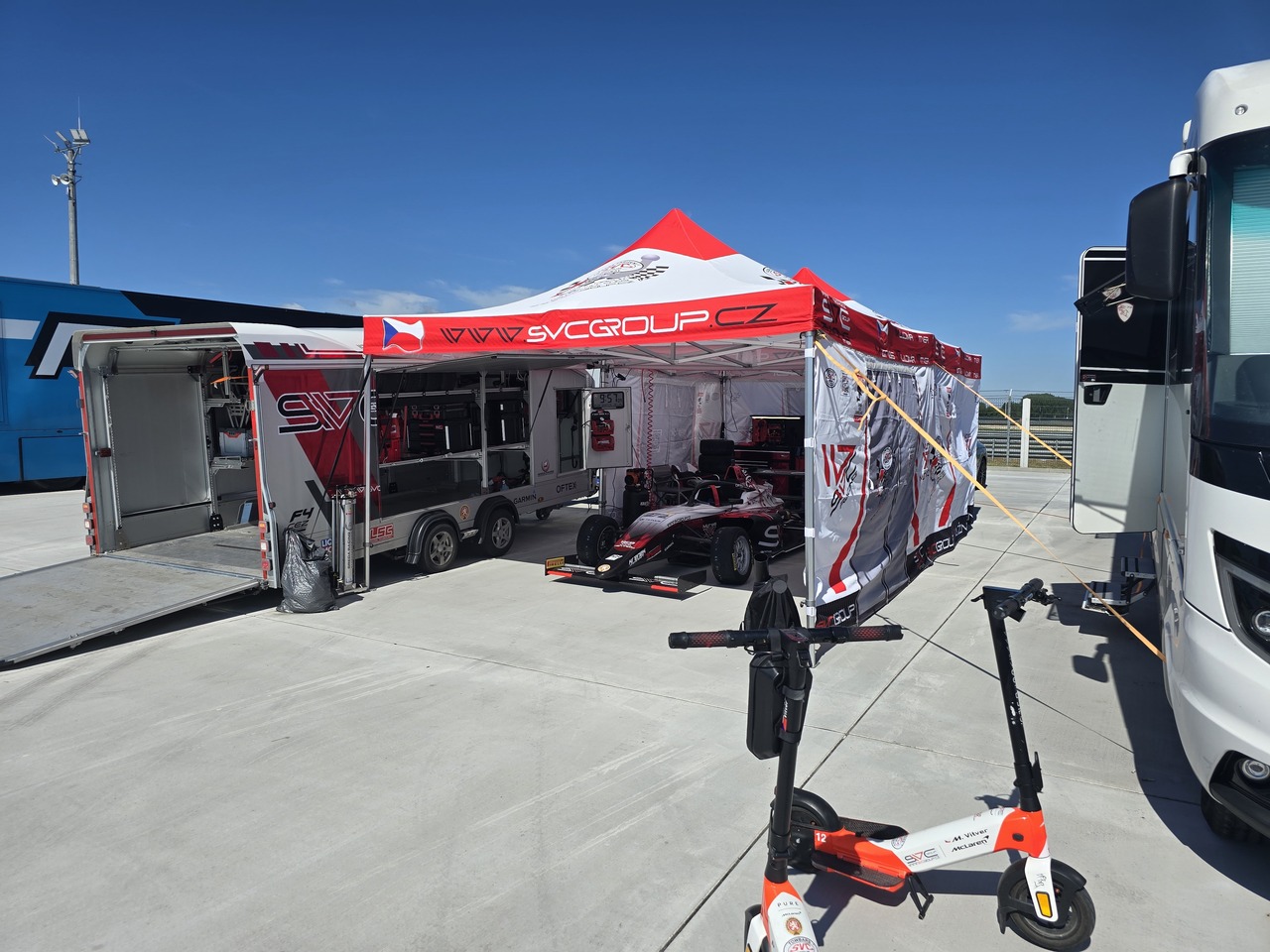
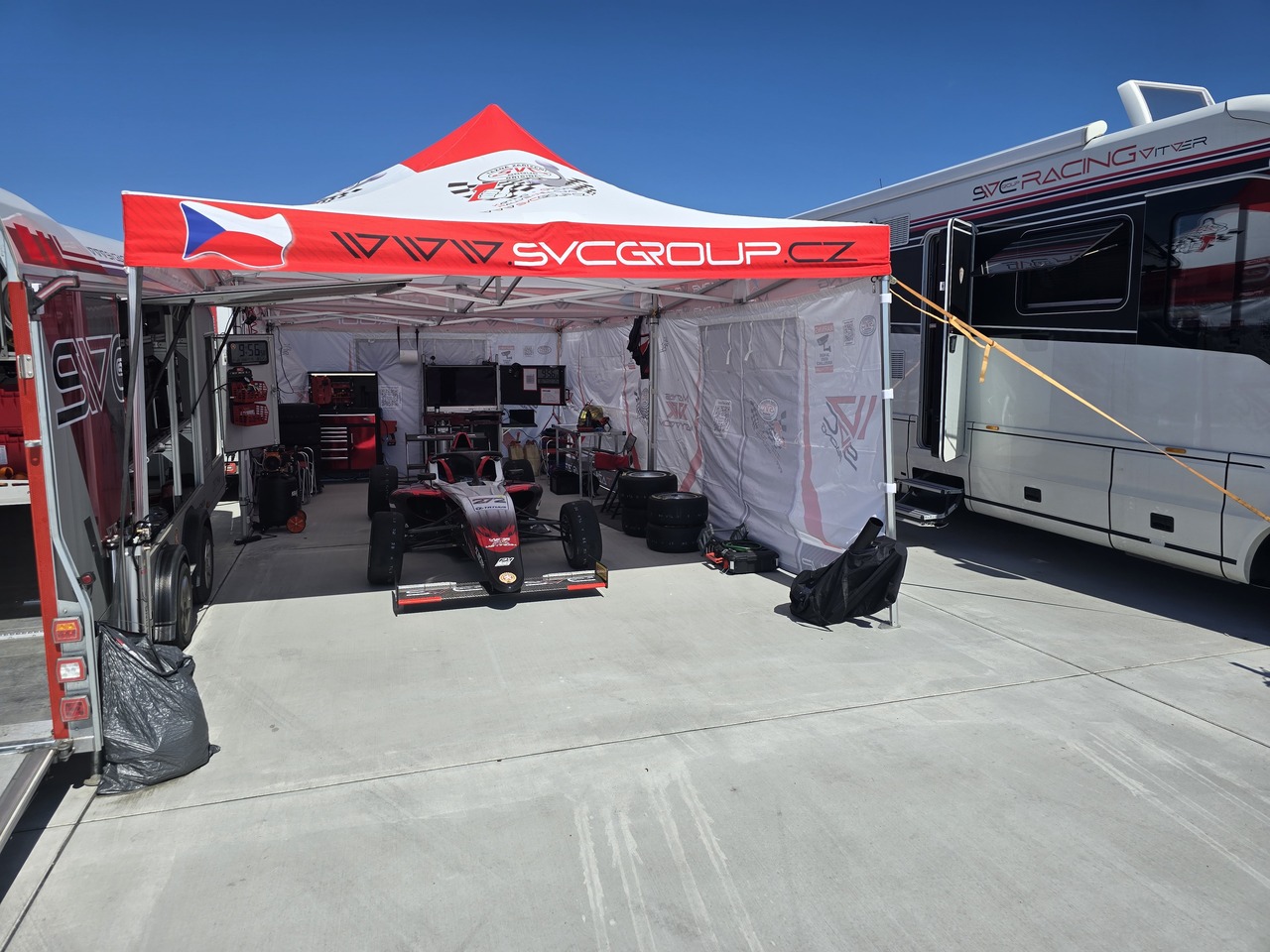
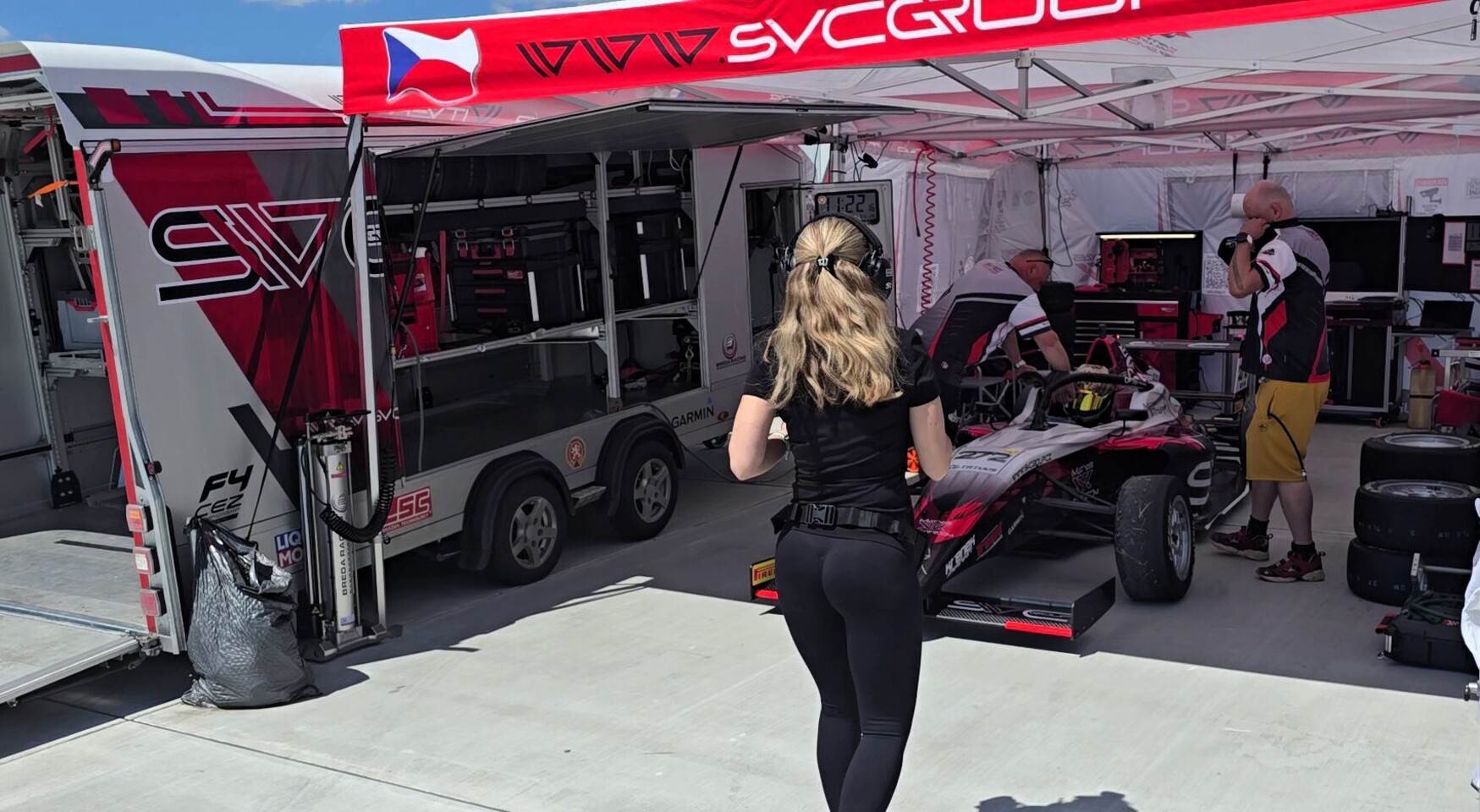
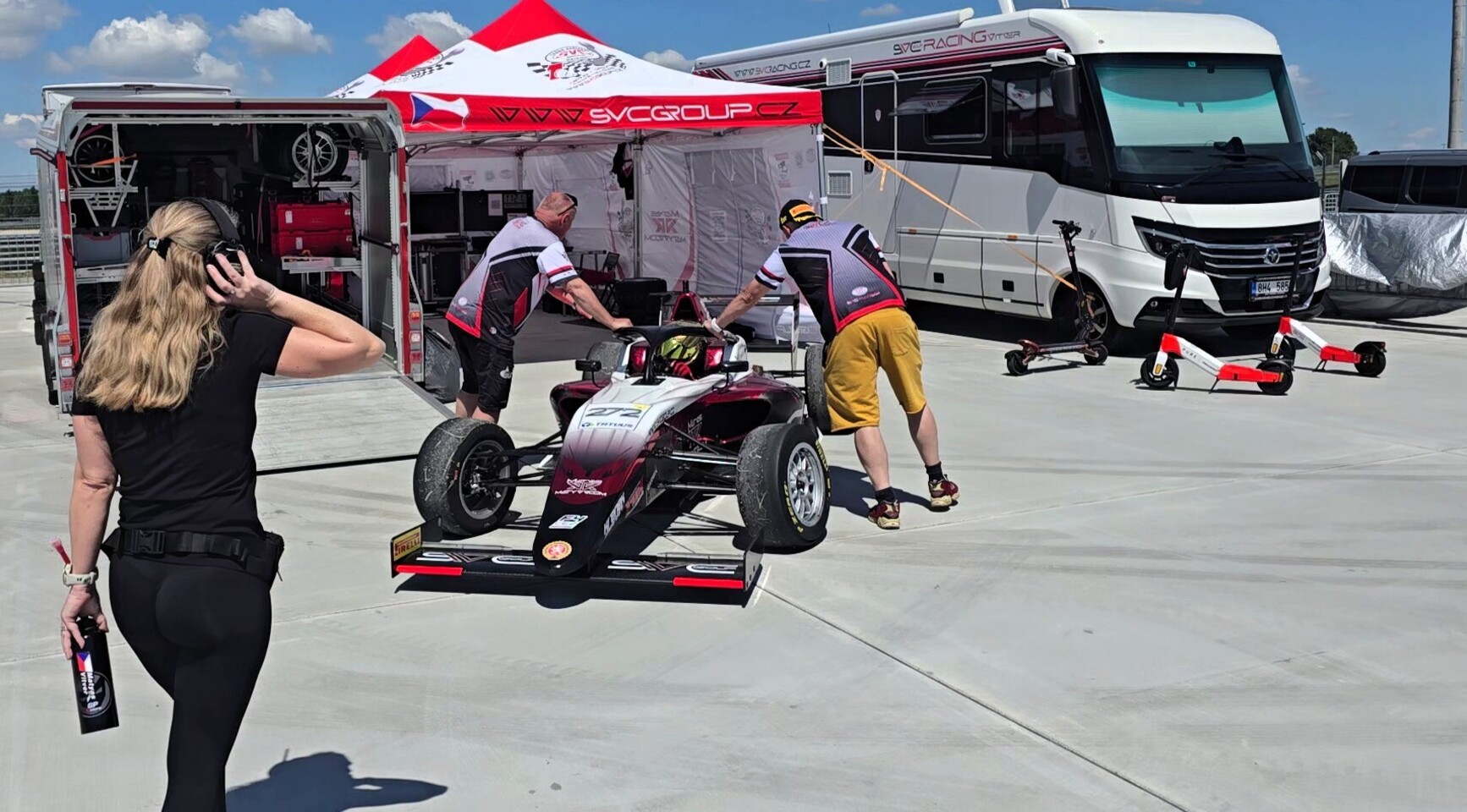
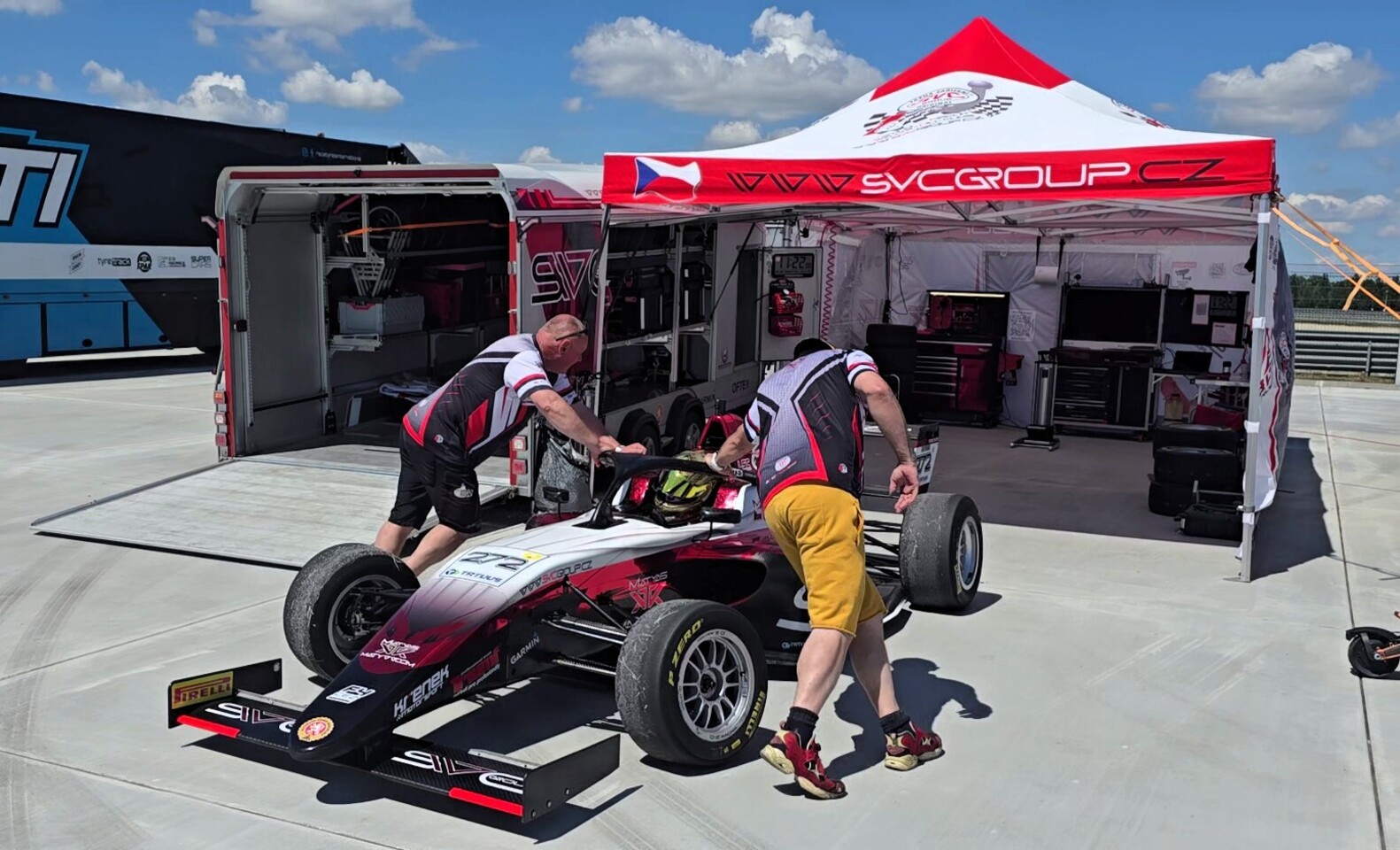
As we were attending a single-day session, we had brought a more limited range of technical equipment than teams would normally use during a complete race weekend.
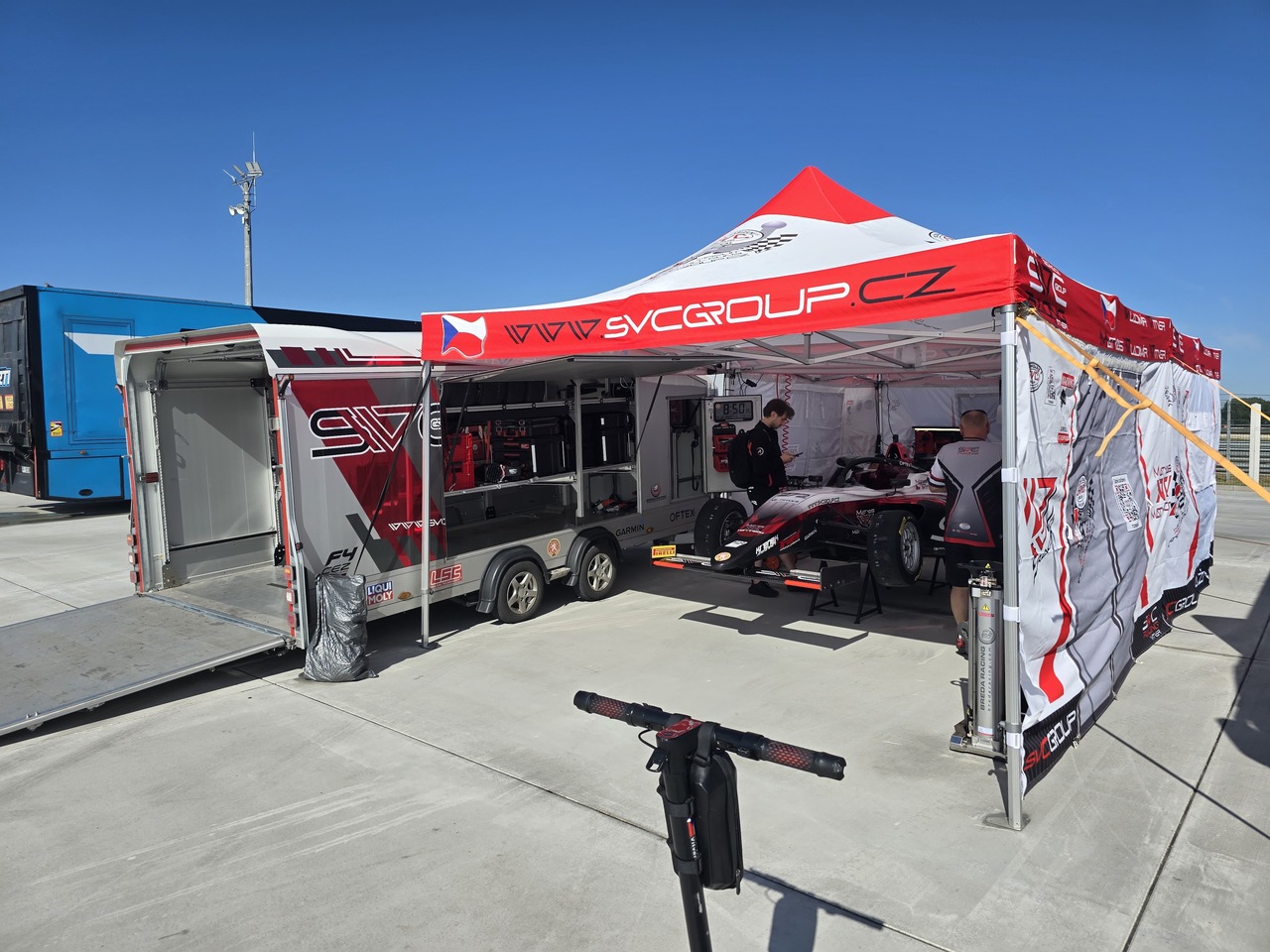
Our allocated working area was also located towards the far end of the paddock, making rapid setup adjustments and tyre management between runs more complicated.
In the extreme heat, the car's handling characteristics began to change noticeably.
As the tyres overheated, their performance moved away from the ideal operating window, making attempts to achieve a single maximum-performance qualifying lap increasingly unproductive.
It became clear that continuing with our original qualifying-pace programme would not be the most effective use of the available track time.
The team therefore made an important decision: change the plan.
From Qualifying Pace to Race-Pace Simulation
Instead of pursuing the fastest possible lap, we shifted our attention to longer runs, consistency and tyre management.
Individual running blocks lasted up to approximately 45 minutes.
Matyas was instructed to monitor changes in grip, adapt his driving style to the condition of the tyres and respond to instructions from the technical team.
An important part of the programme involved completing pre-planned slower laps to reduce the thermal load on the tyres.
This required a different approach from the driver.
The objective was no longer to set one quick lap before returning to the pits.
Matyas needed to maintain concentration over an extended period, control his pace and understand how the car's behaviour changed as the run progressed.
Consistency Becomes the Key Result
The longer runs produced encouraging results for the technical team.
According to our records, Matyas was able to maintain the requested target lap times with variations measured in tenths of a second while also following the planned tyre-cooling procedure.
This represented an important step in his development.
Single-lap speed matters, but so does the ability to repeat a required pace and adapt to changing tyre conditions.
These skills are essential when progressing from relatively short karting sessions to longer single-seater races.
Matyas completed a total of 336 kilometres during the single test day, according to SVC Racing's records.
In demanding temperatures, this represented a significant physical and mental challenge for the driver and an intensive working day for the entire team.
The First Development Stage Completed
At the end of the day, Vladimír Vitver, team principal and Matyas's father, summarised the progress achieved so far:
“We can now close the first stage of our development programme and move on to the second. Matyas has reached this point approximately two to four months earlier than I expected.”
The first stage of the SVC GROUP RACING programme focused primarily on managing the transition from karting to Formula 4.
Matyas gradually learned to operate the single-seater confidently, develop his braking technique, understand tyre behaviour and adapt his driving style to different circuits.
At the same time, he began taking a more active role in technical discussions, providing increasingly accurate feedback about the car's handling characteristics.
Another important objective was to gain experience while minimising unnecessary damage to the car and establishing a reliable foundation for further development.
The F4 CEZ collective test showed that these objectives were being achieved progressively.
A Family Team Learning Alongside Its Driver
The 2026 season was not only Matyas's first year in Formula 4. It was also the first season in the category for the current SVC GROUP RACING technical team.
The team's experience from previous motorsport programmes provides a strong foundation, but the modern Tatuus F4 T-421 Gen 2 introduced new technical requirements and working procedures.
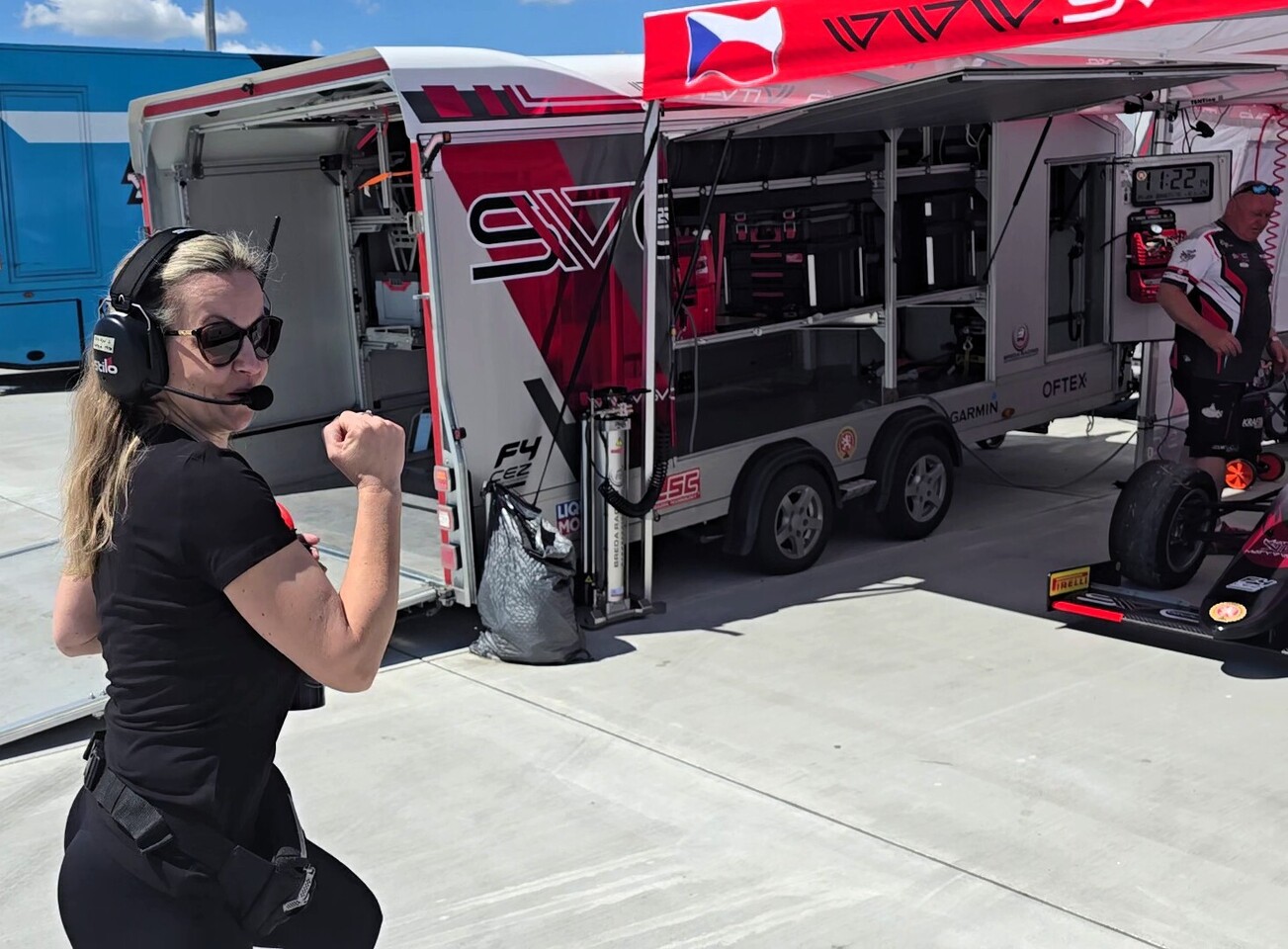
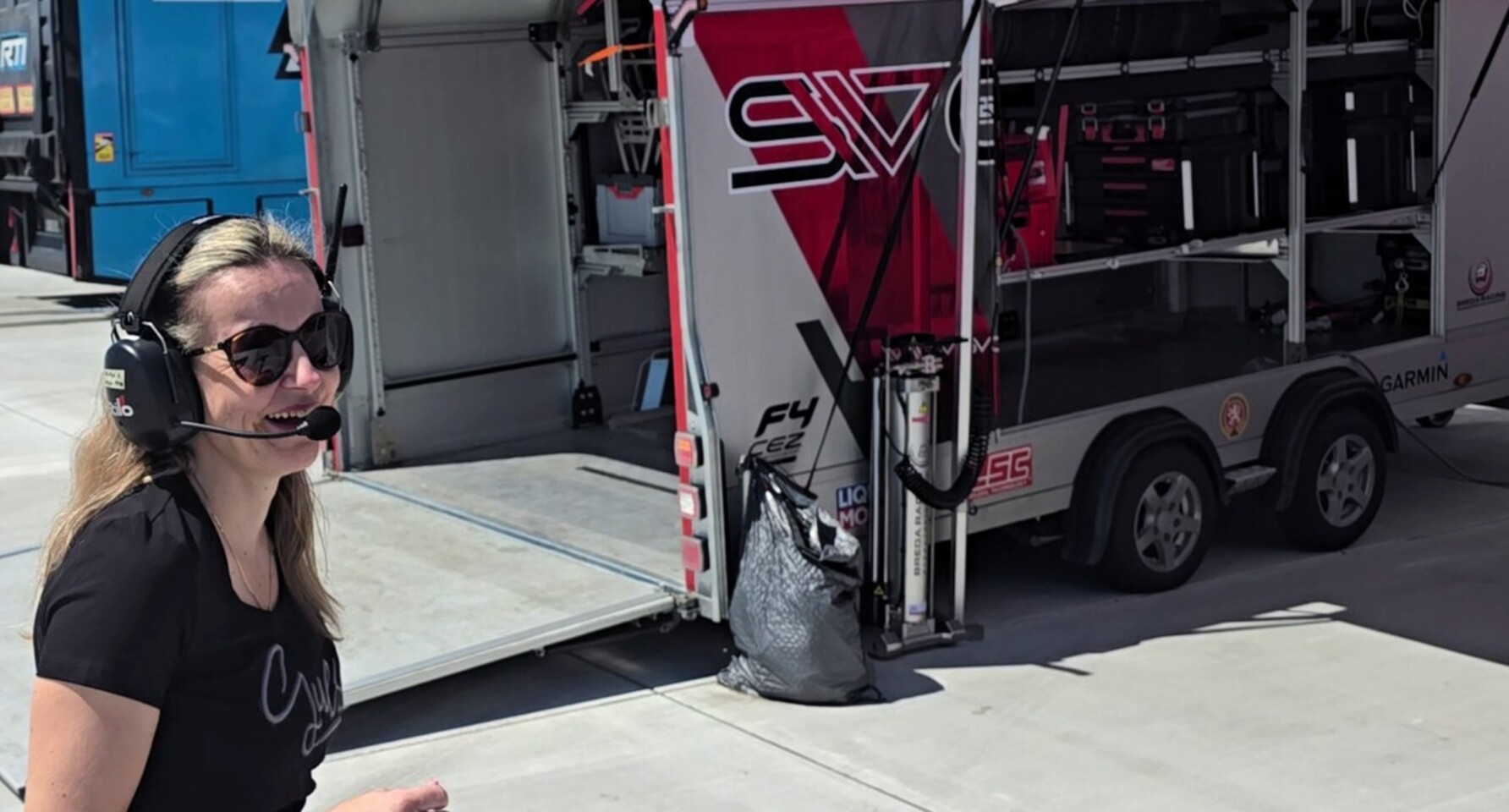
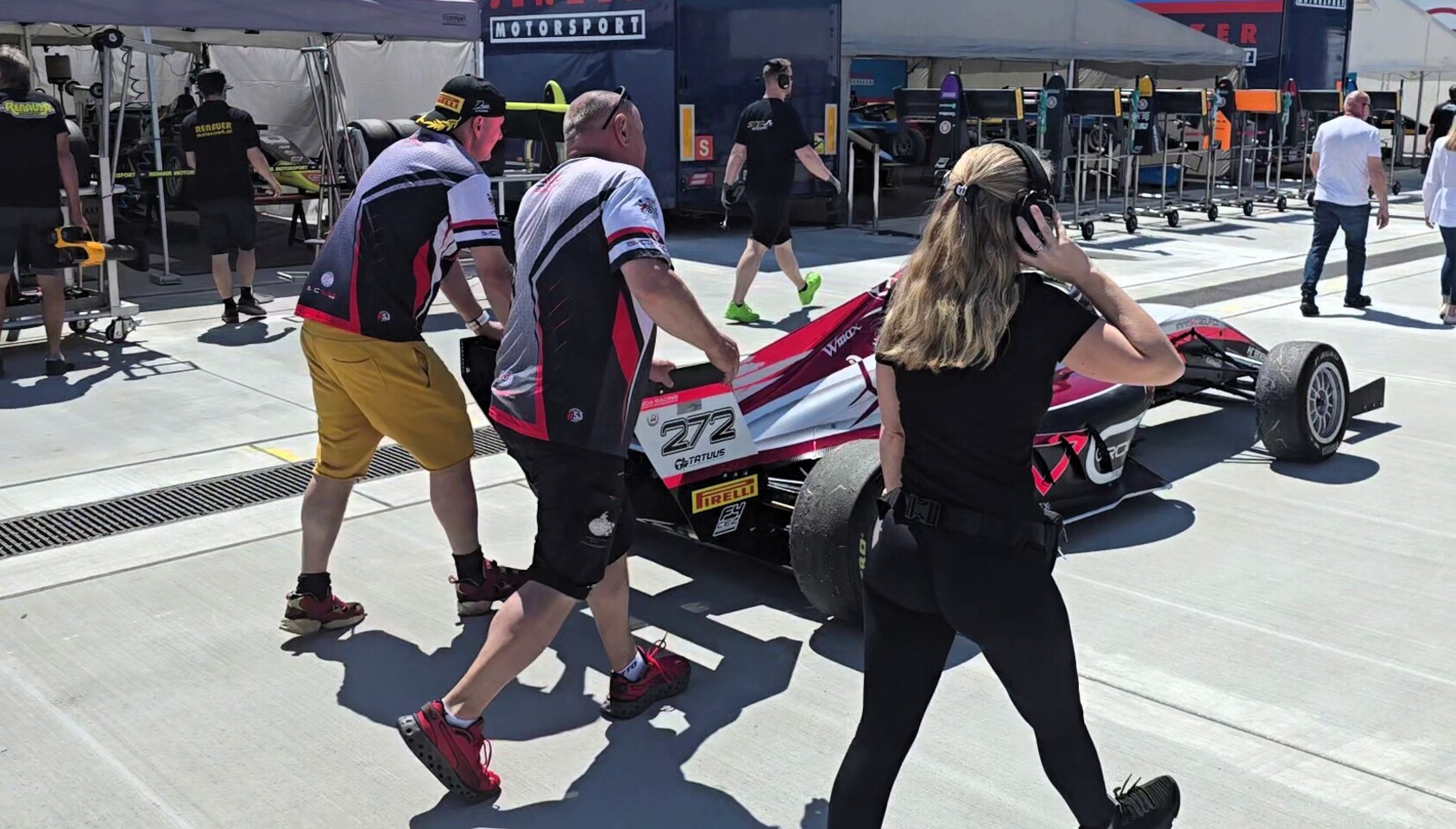
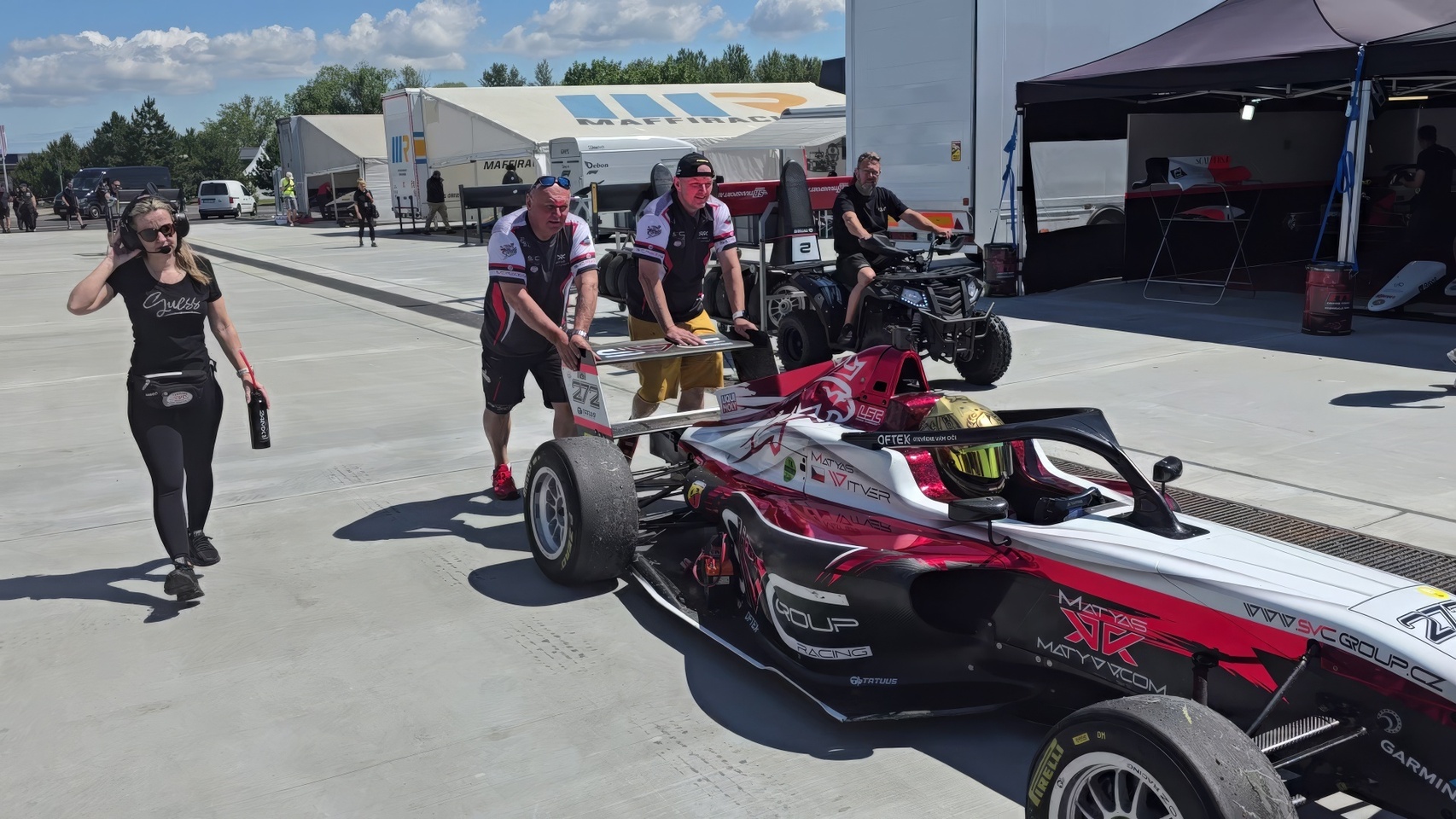
An important role during testing was played by Lucie Vitverová, who works on race engineering, data and driver communication.
Within the team, she has earned the affectionate nickname GP-Luci.
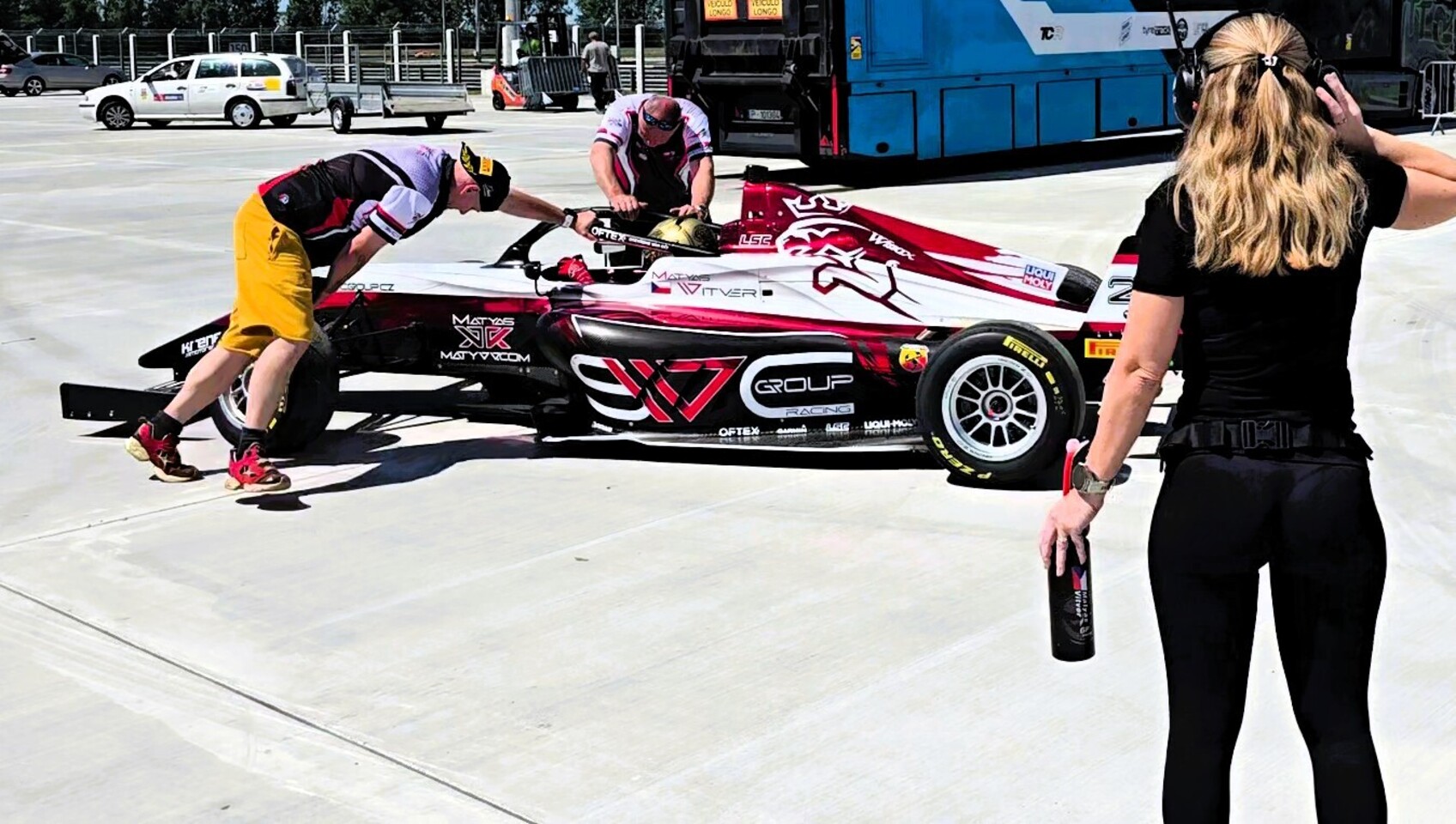
The preparation of the single-seater was also supported by mechanics Miroslav Michl and Petr Jirák.
Miroslav Michl has a long history with the Vitver family's racing activities, having worked on Vladimír Vitver's earlier Lotus and Audi racing projects.
SVC Racing's relationship with Petr Jirák and his family goes back to the beginning of Matyas's karting career.
The programme's technical direction continues to be led by Vladimír Vitver, drawing on his experience in racing, engineering and developing his own competition cars.
This combination of technical knowledge and a close-knit family atmosphere remains one of the defining characteristics of SVC GROUP RACING.
Stage Two: Higher Demands on Both Driver and Team
Following the test, the team decided to move into the next phase of its development programme.
From a technical perspective, this meant expanding its stock of spare parts, improving paddock equipment and upgrading the communication system between driver and engineers.
The experience at the Slovakia Ring demonstrated the importance of having sufficient technical resources, even during what initially appears to be a straightforward one-day test.
For Matyas, the next stage would involve gradually increasing performance expectations, more detailed data analysis and developing a deeper understanding of the car's limits.
The emphasis would remain on structured, controlled and safe driver development.
Alongside operating its existing training car, the team was also developing its technical infrastructure and preparing the next steps towards the 2027 season.
Looking Ahead to Professional Formula 4 in 2027
For SVC GROUP RACING, the 2026 season was first and foremost about preparation.
Matyas still had many tests, races and new experiences ahead of him.
However, his first collective test alongside F4 CEZ drivers demonstrated that his transition to single-seater racing was progressing well.
It also showed that, in addition to outright speed, he was developing discipline, consistency and the ability to learn from changing track conditions.
Thirteenth place after the opening session was encouraging. But the real achievement of the day was completing 336 kilometres, managing demanding conditions and demonstrating readiness for the next stage of development.
The long-term objective remained clear: preparing Matyas for the next step in international Formula 4 competition in 2027.
Our sincere thanks go to our principal partner SVC GROUP s.r.o., all our other partners and every member of the team who supports this programme.
SVC GROUP RACING
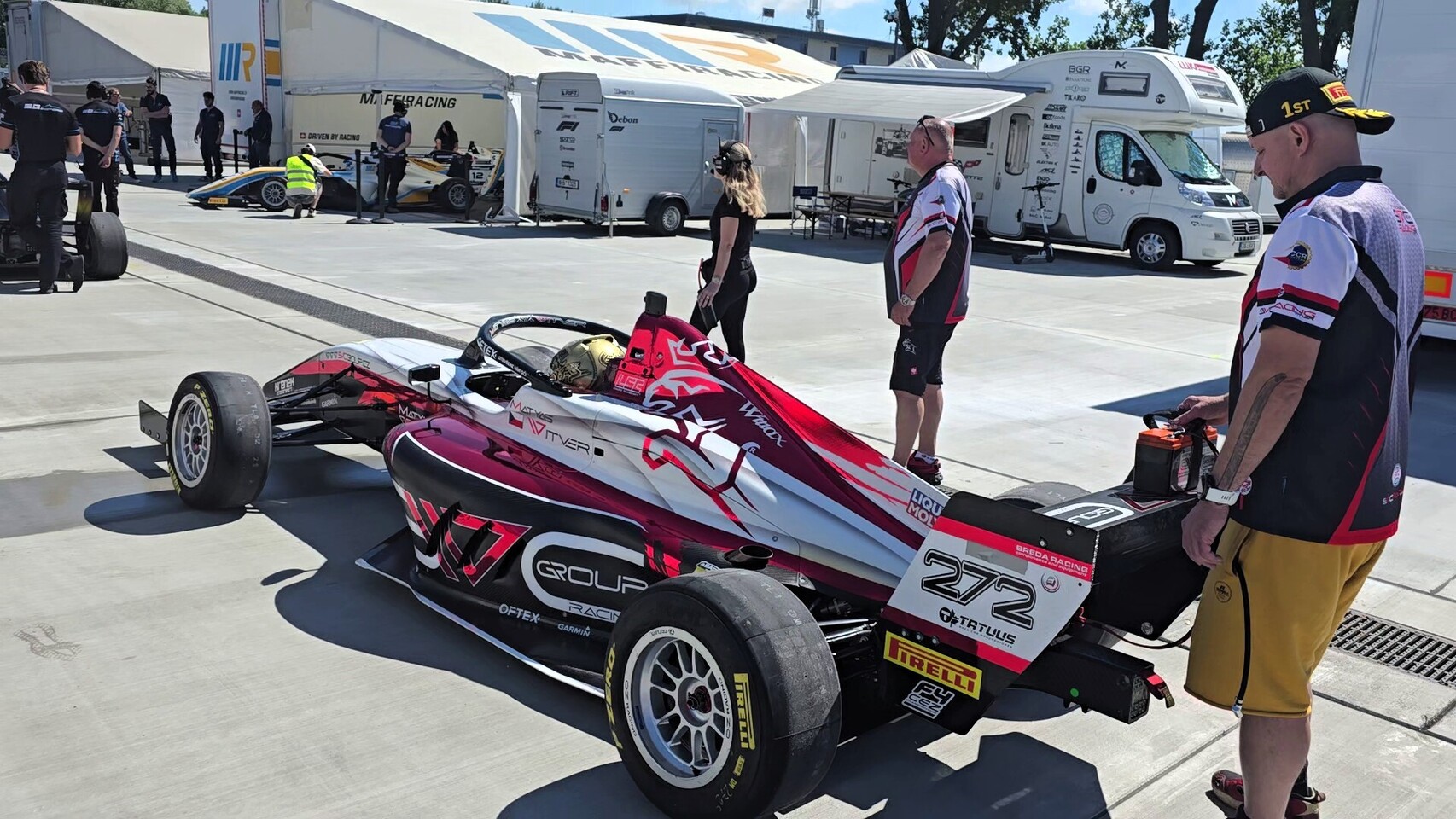
Matyas Vitver #72
Tatuus F4 T-421 Gen 2
Slovakia Ring | 4 June 2026
www.matyasvitver.com
First F4 CEZ Collective Test: 336 Kilometres, Extreme Heat and an Important Step Forward for Matyas Vitver
4 June 2026 | Slovakia Ring | F4 CEZ Collective Test
“My father told me I would be sharing the track with the big boys this time. He was right.”
Fourteen-year-old Matyas Vladimír Vitver completed his first collective test alongside drivers from the F4 CEZ Championship at the Slovakia Ring.
For the young Czech driver and his family-run SVC GROUP RACING team, it was an opportunity to gain experience in a more competitive Formula 4 testing environment and measure his progress alongside drivers already competing regularly in the category.
However, the one-day programme ultimately offered far more than a comparison of lap times.
Extreme temperatures, challenging tyre conditions and the need to adapt the original testing plan provided valuable lessons for both Matyas and the entire team.
A First Collective Test with F4 CEZ Drivers
The 2026 season was designed as an intensive development year for Matyas following his transition from international karting to the Tatuus F4 T-421 Gen 2 single-seater.
At 14 years of age, he was not yet eligible to compete in F4 CEZ Championship races under the applicable minimum-age requirements.
Participating in a collective test nevertheless allowed him to experience an environment involving professionally prepared Formula 4 cars and more experienced competitors.
According to our team records, approximately forty drivers participated in the testing programme.
For Matyas, this meant adapting to an unfamiliar environment, increased traffic on the circuit and a testing schedule different from the private sessions he had previously experienced.
Beyond driving performance, the day also required him to become familiar with pit-lane procedures, the timing of track exits and the movement of other fast single-seaters completing different test programmes.
Thirteenth After the Opening Session
Understandably, the first session brought a certain amount of nervousness.
Matyas was sharing the circuit with a large group of Formula 4 drivers for the first time and had to adapt quickly to the new testing environment.
Nevertheless, according to our team's timing records, he finished the opening session 13th among approximately forty participants.
For our family-run team, it was an encouraging start.
Naturally, the result could not be treated as a definitive comparison of all the drivers' performance.
During collective testing, teams run different fuel loads, tyre conditions, car setups and testing programmes.
Even so, the opening session demonstrated that Matyas could maintain his concentration in a new environment and gradually build his pace.
According to data recorded by the team, he also reached a speed of approximately 235 km/h at the Slovakia Ring.
Extreme Heat Forces a Change of Plan
As the day progressed, high temperatures became the main challenge.
The tyres were subjected to considerable thermal stress, with operating conditions significantly different from those encountered during previous tests.
As we were attending a single-day session, we had brought a more limited range of technical equipment than teams would normally use during a complete race weekend.
Our allocated working area was also located towards the far end of the paddock, making rapid setup adjustments and tyre management between runs more complicated.
In the extreme heat, the car's handling characteristics began to change noticeably.
As the tyres overheated, their performance moved away from the ideal operating window, making attempts to achieve a single maximum-performance qualifying lap increasingly unproductive.
It became clear that continuing with our original qualifying-pace programme would not be the most effective use of the available track time.
The team therefore made an important decision: change the plan.
From Qualifying Pace to Race-Pace Simulation
Instead of pursuing the fastest possible lap, we shifted our attention to longer runs, consistency and tyre management.
Individual running blocks lasted up to approximately 45 minutes.
Matyas was instructed to monitor changes in grip, adapt his driving style to the condition of the tyres and respond to instructions from the technical team.
An important part of the programme involved completing pre-planned slower laps to reduce the thermal load on the tyres.
This required a different approach from the driver.
The objective was no longer to set one quick lap before returning to the pits.
Matyas needed to maintain concentration over an extended period, control his pace and understand how the car's behaviour changed as the run progressed.
Consistency Becomes the Key Result
The longer runs produced encouraging results for the technical team.
According to our records, Matyas was able to maintain the requested target lap times with variations measured in tenths of a second while also following the planned tyre-cooling procedure.
This represented an important step in his development.
Single-lap speed matters, but so does the ability to repeat a required pace and adapt to changing tyre conditions.
These skills are essential when progressing from relatively short karting sessions to longer single-seater races.
Matyas completed a total of 336 kilometres during the single test day, according to SVC Racing's records.
In demanding temperatures, this represented a significant physical and mental challenge for the driver and an intensive working day for the entire team.
The First Development Stage Completed
At the end of the day, Vladimír Vitver, team principal and Matyas's father, summarised the progress achieved so far:
“We can now close the first stage of our development programme and move on to the second. Matyas has reached this point approximately two to four months earlier than I expected.”
The first stage of the SVC GROUP RACING programme focused primarily on managing the transition from karting to Formula 4.
Matyas gradually learned to operate the single-seater confidently, develop his braking technique, understand tyre behaviour and adapt his driving style to different circuits.
At the same time, he began taking a more active role in technical discussions, providing increasingly accurate feedback about the car's handling characteristics.
Another important objective was to gain experience while minimising unnecessary damage to the car and establishing a reliable foundation for further development.
The F4 CEZ collective test showed that these objectives were being achieved progressively.
A Family Team Learning Alongside Its Driver
The 2026 season was not only Matyas's first year in Formula 4. It was also the first season in the category for the current SVC GROUP RACING technical team.
The team's experience from previous motorsport programmes provides a strong foundation, but the modern Tatuus F4 T-421 Gen 2 introduced new technical requirements and working procedures.
An important role during testing was played by Lucie Vitverová, who works on race engineering, data and driver communication.
Within the team, she has earned the affectionate nickname GP-Luci.
The preparation of the single-seater was also supported by mechanics Miroslav Michl and Petr Jirák.
Miroslav Michl has a long history with the Vitver family's racing activities, having worked on Vladimír Vitver's earlier Lotus and Audi racing projects.
SVC Racing's relationship with Petr Jirák and his family goes back to the beginning of Matyas's karting career.
The programme's technical direction continues to be led by Vladimír Vitver, drawing on his experience in racing, engineering and developing his own competition cars.
This combination of technical knowledge and a close-knit family atmosphere remains one of the defining characteristics of SVC GROUP RACING.
Stage Two: Higher Demands on Both Driver and Team
Following the test, the team decided to move into the next phase of its development programme.
From a technical perspective, this meant expanding its stock of spare parts, improving paddock equipment and upgrading the communication system between driver and engineers.
The experience at the Slovakia Ring demonstrated the importance of having sufficient technical resources, even during what initially appears to be a straightforward one-day test.
For Matyas, the next stage would involve gradually increasing performance expectations, more detailed data analysis and developing a deeper understanding of the car's limits.
The emphasis would remain on structured, controlled and safe driver development.
Alongside operating its existing training car, the team was also developing its technical infrastructure and preparing the next steps towards the 2027 season.
Looking Ahead to Professional Formula 4 in 2027
For SVC GROUP RACING, the 2026 season was first and foremost about preparation.
Matyas still had many tests, races and new experiences ahead of him.
However, his first collective test alongside F4 CEZ drivers demonstrated that his transition to single-seater racing was progressing well.
It also showed that, in addition to outright speed, he was developing discipline, consistency and the ability to learn from changing track conditions.
Thirteenth place after the opening session was encouraging. But the real achievement of the day was completing 336 kilometres, managing demanding conditions and demonstrating readiness for the next stage of development.
The long-term objective remained clear: preparing Matyas for the next step in international Formula 4 competition in 2027.
Our sincere thanks go to our principal partner SVC GROUP s.r.o., all our other partners and every member of the team who supports this programme.
Matyas Vitver #72
Tatuus F4 T-421 Gen 2
Slovakia Ring | 4 June 2026
www.matyasvitver.com
Fotogalerie